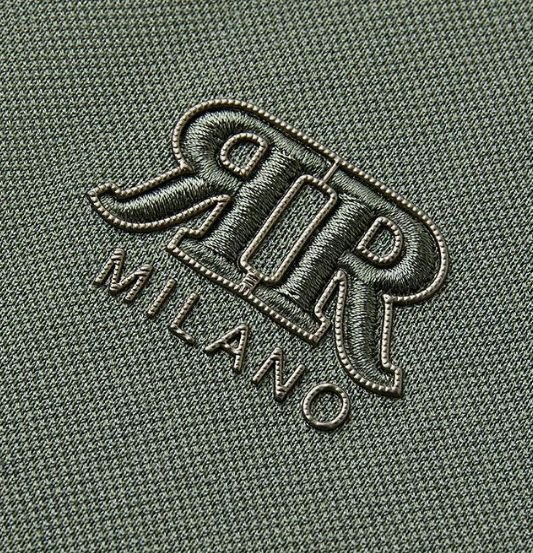
Embroidery: The Art of Making a Brand Look Exceptional
THE BRANDING EDIT | CORPORATE IDENTITY, TEXTILE CRAFTSMANSHIP & MODERN UNIFORM DESIGN
A logo can be printed in seconds, but a beautifully embroidered identity communicates something more enduring. Discover how thoughtful thread colours, precise stitching, contemporary design and intelligent garment selection can transform ordinary corporate uniforms into something unmistakably premium.
There is a difference between putting a logo on a shirt and making that logo feel as though it belongs there.
Consider two corporate polo shirts.
Both are navy blue. Both have a company logo positioned on the left chest. Both serve the same basic purpose: identifying the people wearing them.
Yet one looks like an ordinary promotional giveaway, while the other has the presence of a thoughtfully designed corporate garment.
The difference may be subtle.
A beautifully balanced embroidered emblem. Carefully selected thread colours. A logo positioned in harmony with the collar and garment proportions. Stitching that complements the fabric rather than overwhelming it.
Suddenly, the polo shirt feels more refined.
This is the often-underestimated power of Embroidery.
For businesses across Malaysia, embroidery remains a popular method of personalising corporate shirts, polo shirts, jackets, uniforms and branded apparel.
But modern embroidery is about much more than reproducing a company logo with thread.
It is where textile craftsmanship, graphic design, colour intelligence and corporate identity come together.
The best embroidery does not simply display your brand. It makes your brand look as though it was designed into the garment from the beginning.
01 | The Quiet Luxury of Embroidery
Why a Small Detail Can Change the Entire Impression
Luxury fashion has long demonstrated that distinction does not always require elaborate decoration.
Sometimes the most recognisable detail is also the smallest.
A discreet emblem on a premium polo shirt. A carefully stitched monogram on a formal shirt. A refined symbol positioned on the sleeve of a tailored jacket.
These details can communicate identity without dominating the garment.
Corporate clothing benefits from the same philosophy.
An embroidered logo introduces texture and dimension that conventional flat printing does not reproduce in the same way.
Light interacts with the threads. Stitch direction creates subtle visual differences. The design becomes a physical part of the garment’s surface.
The effect can feel more substantial and crafted.
However, embroidery alone does not guarantee a luxury appearance.
An oversized logo, poor colour combination or unsuitable stitching technique can make even an expensive garment look ordinary.
The secret lies in restraint.
THE STYLE NOTE
“Premium branding is not about making the logo bigger. It is about making every detail more considered.”
For executive apparel, smaller tonal embroidery may create a more refined effect than a brightly coloured chest logo.
For technical workwear, a stronger contrasting emblem may offer better visibility.
For hospitality uniforms, a subtle embroidered brand mark can complement the overall service presentation.
The correct choice depends on the intended impression.
02 | Colour Intelligence: The Art of Matching Thread and Fabric
A Logo Should Complement the Garment, Not Compete with It
Colour selection is one of the most important decisions in corporate embroidery.
A logo may look attractive on a white computer screen but appear very different when stitched onto navy cotton, textured pique fabric or a dark performance textile.
This happens because fabric colour, surface texture, thread sheen and lighting influence the final appearance.
Good embroidery design therefore begins with colour coordination.
Tonal Embroidery: Understated and Sophisticated
Tonal embroidery uses thread colours close to the garment’s base colour.
Imagine a charcoal polo shirt with a slightly lighter graphite logo.
The branding remains visible through subtle contrast, surface texture and reflected light.
This approach is particularly effective for premium corporate uniforms, executive apparel and minimalist fashion-inspired designs.
It creates a sophisticated impression without relying on strong colour contrast.
Contrast Embroidery: Confident and Recognisable
For businesses seeking a more visible corporate identity, contrasting colours can be appropriate.
A navy polo with white embroidery creates a clean, professional appearance.
Forest-green garments with cream-coloured embroidery introduce a natural luxury aesthetic.
Black shirts with silver-grey thread can provide a contemporary technical character.
The contrast should support the brand identity while remaining visually balanced.
Multicolour Embroidery: Precision with Personality
Some corporate logos require multiple colours to maintain brand recognition.
These designs can be reproduced through embroidery, although the number of colours, stitch arrangement and small design features require careful planning.
Thread colour matching should be assessed using actual samples rather than relying exclusively on digital colour previews.
Five Premium Embroidery Colour Combinations
Navy Fabric + Silver Grey Thread
A classic executive combination that feels polished and professional.
Black Fabric + Graphite Thread
A restrained monochromatic effect suitable for premium retail, contemporary offices and fashion-led corporate teams.
White Fabric + Deep Navy Thread
Clean, timeless and easily recognisable. Particularly suitable for formal shirts and hospitality uniforms.
Forest Green Fabric + Soft Cream Thread
An elegant natural colour combination for lifestyle, wellness and hospitality brands.
Burgundy Fabric + Champagne-Coloured Thread
Distinctive and refined, offering a warm premium character without excessive brightness.
The most successful combination is not necessarily the most fashionable one.
It is the combination that complements the fabric, the garment design and the company’s approved visual identity.
THE COLOUR PRINCIPLE
“A well-matched embroidered logo should look like part of the design, never an interruption to it.”
03 | The Stitch Behind the Signature
What Separates Professional Embroidery from Ordinary Logo Stitching?
From a distance, two embroidered logos may appear almost identical.
A closer inspection can reveal significant differences.
The smoothness of the edges, consistency of the fill, definition of the lettering and way the material sits beneath the embroidery all contribute to the finished appearance.
Professional embroidery requires more than loading a logo into a machine.
The artwork must first be interpreted as a stitch design.
Understanding Embroidery Digitising
Embroidery digitising converts artwork into instructions that an embroidery machine can follow.
The process determines important details, including stitch type, stitch direction, density, sequencing and underlay.
A design that looks excellent as a printed graphic may require adjustments before it can be embroidered successfully.
Very fine lettering, tiny gaps, gradients and complex details may not reproduce accurately at small sizes.
An experienced embroidery team should assess whether the artwork needs simplifying without losing its essential identity.
Satin Stitch: Sharp and Refined
Satin stitches are commonly used for lettering, borders and suitable narrow shapes.
They can create smooth, slightly raised surfaces with an attractive finish.
However, they must be designed within practical stitch-width limitations.
Fill Stitch: Designed for Larger Areas
Fill stitches are used to cover broader shapes and logo elements.
Stitch direction, density and underlay can influence the texture and appearance of the finished design.
Large filled areas may also make lightweight fabrics feel heavier or stiffer.
Running Stitch: Fine Decorative Detail
Running stitches can be useful for outlines, selected fine details and decorative effects.
However, extremely fine lines may become difficult to see on textured fabrics.
Raised and 3D Embroidery
Raised embroidery techniques can create stronger dimensional effects, sometimes using specialised foam beneath suitable stitching.
This is often associated with caps and selected fashion applications.
It is not automatically appropriate for every logo or garment.
Fine lettering and complex shapes may be better suited to conventional embroidery.
THE CRAFTSMANSHIP EDIT
The quality of embroidery is not measured by how many stitches a logo contains. It is measured by how intelligently those stitches are used.
04 | The Fabric Test: Why Every Material Needs a Different Approach
The Same Logo Can Behave Differently on Different Fabrics
One of the most overlooked aspects of embroidery is its relationship with the material beneath it.
A densely embroidered logo on a firm woven shirt may behave differently from the same design applied to a lightweight knitted polo.
Fabric stretch, thickness, texture and stability all influence embroidery quality.
Corporate Shirts
Woven corporate shirts often provide a relatively stable surface for embroidery.
However, lightweight fabrics may require careful stabilisation and stitch-density control to reduce puckering or distortion.
For formal shirts, smaller and more refined embroidery designs may complement the overall appearance.
Polo Shirts
Polo shirts are among the most recognisable garments for embroidered corporate branding.
Pique fabric, jersey knits and performance polo materials can all produce different results.
Because knitted fabrics can stretch, appropriate stabilisers and suitable stitch settings are important.
A logo that is too dense or large may distort the fabric or create unnecessary stiffness.
Premium T-Shirts
Embroidery can give a well-chosen T-shirt a distinctive fashion-inspired appearance.
However, the fabric’s weight, stretch and construction should be considered.
Heavier or more stable knits may support certain embroidery designs more comfortably than very thin materials, but every application should be sampled individually.
Jackets, Hoodies and Workwear
Jackets and hoodies offer opportunities for embroidered chest logos, sleeve details and selected larger designs.
Depending on the garment, embroidery may also be used for staff names, department identifiers or corporate emblems.
For technical and protective workwear, the embroidery method must not compromise any required safety performance or garment certification.
Cooling Fabrics and Performance Materials
For Malaysia’s hot and humid climate, many businesses prefer lightweight or moisture-management uniform fabrics.
Embroidery can be applied to suitable performance textiles, but dense stitching may reduce flexibility and create a less breathable area beneath the logo.
This makes thoughtful logo sizing, stabilisation and positioning especially important.
A cooling fabric should not lose unnecessary comfort simply because the company logo was designed without considering its construction.
THE MATERIAL RULE
Choose the garment and fabric first. Then develop the embroidery specification around the material.
05 | Logo Placement: The Difference Between Ordinary and Designer
Where You Put Your Logo Changes How the Garment Looks
Logo placement is a design decision, not simply a production instruction.
A beautifully embroidered emblem can appear awkward when positioned too close to a seam, too high on the chest or out of proportion with the garment.
Likewise, an understated logo can create a premium appearance when placed thoughtfully.
Left-Chest Embroidery
The traditional choice for corporate shirts, polo shirts and selected jackets.
It offers strong visibility while remaining relatively discreet.
The correct position depends on garment size, chest construction, pockets and design details.
Right-Chest Embroidery
Often used for employee names, department names or additional identity information.
It can also create balance when another element occupies the opposite side.
Sleeve Embroidery
Suitable for smaller brand marks, department emblems or selected secondary graphics.
Sleeve placement can look contemporary and less conventional than a large chest logo.
Collar and Back-Neck Embroidery
Discreet placement near the collar or back neckline can provide a fashion-inspired identity.
These areas may require particular attention to comfort, stitching access and fabric construction.
Upper-Back Embroidery
A larger embroidered identity on the back of a jacket or suitable uniform can improve visibility.
However, large designs may introduce considerable stitch coverage and weight.
Printing or another branding method may be more practical for some applications.
Personalised Name Embroidery
Staff names, initials and role identifiers can create a more personalised corporate appearance.
For hospitality, healthcare and selected service industries, clear identification may also support customer interaction.
The lettering must remain legible at the intended size.
THE DESIGN RULE
“The ideal embroidery position is where the logo feels naturally connected to the garment’s proportions.”
06 | Modern Embroidery Trends: Less Noise, More Identity
Where Corporate Branding Meets Contemporary Fashion
Corporate embroidery no longer needs to resemble traditional promotional merchandise.
Businesses can adopt more refined techniques inspired by luxury apparel, contemporary sportswear and minimalist fashion.
The Micro-Logo Approach
Small embroidered emblems can create a polished appearance when the design remains legible and technically suitable.
This approach works particularly well for executive shirts, premium polos and understated corporate collections.
Monochromatic Branding
A logo embroidered in a similar shade to the garment creates a controlled and sophisticated visual effect.
It allows the fabric and silhouette to remain the main focus.
Minimalist Symbol Embroidery
Some brands can use an approved standalone symbol rather than the complete company name.
This can produce a cleaner appearance, particularly where the organisation already has a recognisable brand mark.
Signature-Style Embroidery
Personal initials, selected names and handwritten-inspired branding may create a more individual character.
The lettering should be tested carefully because thin strokes and connected characters can be challenging at small sizes.
Embroidered Patches and Badges
For selected uniforms, embroidered patches can provide another way to present a company emblem.
Patches may be useful when a design requires a separate backing or a particular style of application.
Their suitability depends on the garment, attachment method and intended durability.
Modern embroidery is increasingly about how a logo integrates with the garment rather than simply how prominently it can be displayed.
07 | Embroidery or Printing: Which Is Better?
Two Branding Techniques. Two Different Personalities.
Businesses frequently compare embroidery with printing when selecting corporate uniforms.
Neither method is universally superior.
The right choice depends on the design, fabric, quantity, intended appearance and garment’s working conditions.
| Consideration | Embroidery | Printing |
|---|---|---|
| Visual character | Textured and dimensional | Usually flatter, with effects varying by method |
| Small lettering | May be limited by stitch size | Can reproduce fine detail with a suitable process |
| Complex gradients | Generally difficult | More suitable with selected digital methods |
| Premium corporate logos | Often an attractive choice | Can also look premium when well executed |
| Lightweight stretch fabrics | Requires careful stabilisation | Depends on ink, transfer and fabric compatibility |
| Large graphics | May become heavy or costly | Often more practical |
| Durability | Can be very durable when properly produced | Depends on printing method and care |
| Cost factors | Digitising, stitch count, complexity and quantity | Method, colours, coverage, setup and quantity |
When Embroidery Is an Excellent Choice
Embroidery often works especially well for company emblems on polo shirts, formal corporate shirts, jackets, workwear and selected accessories.
It is also suitable for many employee-name and department-identification applications.
When Printing Makes More Sense
Printing may be preferable for oversized event graphics, photographic designs, gradients or highly detailed artwork.
It can also be practical for lightweight promotional garments where heavy stitching would be undesirable.
Combining Branding Techniques
A company does not need to select only one application method for every uniform.
An embroidered chest logo can be paired with a suitably printed sleeve design or another branding treatment where appropriate.
The key is to maintain visual consistency and confirm material compatibility.
THE SMART BUYER’S VIEW
The best branding method is the one that complements the garment, protects its functionality and communicates the intended identity.
08 | Durability: Will the Embroidery Still Look Good After Repeated Washing?
Quality Should Last Beyond the First Impression
Corporate uniforms experience repeated wear.
They are washed, dried, packed, transported and worn in different working environments.
Embroidery can provide a durable branding solution, but the finished quality depends on several factors.
Thread selection, colourfastness, stitch construction, backing materials and garment compatibility all influence performance.
An embroidery design with excessive stitch density may distort the surrounding fabric.
Inadequate stabilisation can contribute to puckering.
Poorly secured threads may affect the finish during use.
What Should Buyers Inspect?
The finished embroidery should have clean, well-defined edges and appropriately consistent stitching.
Lettering should remain readable.
The logo should sit smoothly on the garment without excessive surrounding distortion.
The reverse side should be adequately finished for the intended use, especially where it may contact the skin.
Consider the Washing Conditions
A normal office polo shirt and a hospitality uniform undergoing frequent commercial laundering may experience very different conditions.
Where garments require high-temperature washing or industrial laundry processes, the embroidery threads, backing and garment materials should be evaluated for compatibility.
A successful sample should be assessed after the relevant laundering process where practical.
Why Sampling Matters
Embroidery is best judged on the actual garment, not only through an artwork preview.
A physical sample allows buyers to evaluate colour, stitch texture, placement, stability and overall appearance.
This becomes especially important for larger corporate orders.
THE LONGEVITY PRINCIPLE
“The best embroidered logo should remain a source of pride long after the uniform has entered everyday use.”
09 | One Company, Five Departments, One Embroidered Identity
Branding Consistency Without Making Everyone Look Identical
A modern organisation rarely operates with only one uniform style.
Management teams, reception staff, sales representatives, warehouse employees and technical personnel may all require different garments.
Their uniforms should reflect those needs.
Yet the embroidery can provide a consistent visual connection.
Imagine a company with a navy, ice-blue and silver-grey identity.
Management
A structured navy blazer with a small silver-grey embroidered emblem positioned discreetly on the chest.
Reception
A white corporate blouse or shirt with refined navy embroidery that complements coordinated skirts or trousers.
Sales
A contemporary ice-blue polo shirt with a navy company logo, creating a recognisable but approachable appearance.
Warehouse
A practical navy T-shirt or work shirt with an embroidered brand mark designed for the garment’s fabric and expected activity.
Technical Team
A functional work jacket featuring the corporate emblem and, where useful, an embroidered employee or department identifier.
The garments differ in silhouette, fabric and function.
However, their branding remains connected through approved artwork, consistent thread colours and proportionate placement.
This is the distinction between ordering embroidered uniforms and developing a complete corporate identity system.
Different uniforms. Different responsibilities. One recognisable brand.
10 | The Invisible Work Behind a Perfect Embroidered Logo
What Buyers Should Know Before Placing an Order
A professional embroidery order begins before the machine starts stitching.
The first requirement is suitable artwork.
A clear vector logo is particularly useful, although other artwork formats may be accepted depending on the supplier’s workflow.
The embroidery design must then be prepared for the selected garment and intended dimensions.
This preparation may involve digitising the artwork, selecting thread colours, determining stitch types and testing the design on a representative fabric.
Five Details That Matter
Artwork Quality
Clear original artwork improves communication and reduces ambiguity during embroidery preparation.
Finished Logo Dimensions
The height and width should be appropriate for the garment, with sufficiently large details and lettering.
Thread Colour Approval
Actual thread samples should be compared with the approved corporate colours and fabric.
Garment Compatibility
Fabric weight, stretch and construction influence the embroidery technique and stabilisation requirements.
Production Consistency
The approved design file, placement measurements, colours and sample references should be retained for future orders.
Why Embroidery Pricing Varies
The cost of embroidery can depend on several factors.
A simple two-colour company name may require a different amount of production work from a large, detailed emblem.
Design size, stitch count, artwork complexity, digitising requirements, placement, fabric handling and order quantity can all influence pricing.
The number of thread colours may also affect production setup.
For an accurate quotation, businesses should provide the actual artwork, required dimensions, garment type and estimated quantity.
Comparing suppliers without a common specification can lead to misleading price differences.
11 | Uni-Cloth: Where Embroidery Meets Corporate Uniform Design
More Than Adding a Logo
For businesses seeking corporate apparel in Malaysia, Uni-Cloth approaches embroidery as part of a broader uniform design and branding process.
A successful corporate uniform begins with the garment itself.
Its colour, fabric, silhouette, comfort and intended working environment should establish the foundation.
Embroidery then becomes a finishing element that reinforces the company’s identity.
Uni-Cloth offers ready-made and customised corporate apparel, including shirts, polo shirts, T-shirts, jackets, hoodies and selected workwear, alongside branding solutions such as embroidery and printing.
Businesses can explore different garment types according to the needs of their departments.
A formal corporate shirt may call for discreet chest embroidery.
A contemporary polo shirt may benefit from a clean contrasting emblem.
A work jacket might require a more visible logo and suitable employee identification.
The embroidered application should always be selected with the garment’s fabric and purpose in mind.
Colour Matching as Part of the Design
A uniform collection should look coordinated from a distance and refined on closer inspection.
This means choosing garment colours, embroidery threads and other branding details as one visual system.
A company can use the same logo across several garment categories while adjusting its size, placement and approved thread colours to complement each design.
The Right Fabric for the Right Working Environment
An attractive embroidered polo shirt must still remain suitable for daily wear.
For employees working in Malaysia’s tropical conditions, garment selection may involve breathable fabrics, selected moisture-management materials and appropriate ease of movement.
Embroidery should be developed in a way that respects those characteristics.
From First Order to Repeat Order
For long-term uniform programmes, design consistency is especially important.
Approved embroidery artwork, thread colours, placement instructions and garment references can help support future ordering.
These details reduce the need to make branding decisions from the beginning whenever new employees join or additional uniforms are required.
Whether an organisation requires a small collection of executive shirts or coordinated apparel for multiple departments, thoughtful embroidery planning helps connect the garments visually.
Uni-Cloth — Corporate Apparel, Uniform Design and Custom Branding Solutions.
Discover more at www.uni-cloth.com.
12 | The Smart Buyer’s Embroidery Checklist
Before You Approve Your Corporate Uniform
A good-looking digital mockup is not the same as an approved embroidered garment.
Before proceeding with production, confirm these essential details:
Logo Artwork: Is the original design sufficiently clear for embroidery preparation?
Finished Size: Is the logo proportionate to the selected garment?
Thread Colours: Have the actual thread colours been reviewed against the fabric and brand guidelines?
Embroidery Technique: Are the stitch types and density suitable for the artwork and material?
Logo Placement: Has the exact position been approved for the relevant garment sizes and designs?
Fabric Compatibility: Can the garment support the embroidery without unacceptable distortion or discomfort?
Physical Sampling: Has a representative embroidered sample been inspected?
Durability Requirements: Is the application suitable for the expected washing and working conditions?
Quantity and Delivery: Are the order details and production expectations confirmed?
Repeat-Order Records: Will the approved artwork, colours and specifications be available for future orders?
These details may appear minor, but they determine how consistently a brand is presented across its corporate apparel.
The Final Edit | A Signature in Every Stitch
The most memorable corporate uniforms are rarely defined by the size of their logos.
They are recognised through harmony.
The right fabric complements the garment’s purpose. The silhouette supports the person wearing it. The colours communicate a clear identity, and the finishing details bring the design together.
Embroidery contributes something distinctive to that relationship.
It introduces texture, craftsmanship and a physical sense of identity.
A carefully embroidered logo can make a simple polo shirt feel more refined, a formal corporate shirt look more complete, or a practical jacket appear unmistakably connected to its organisation.
But the true value of embroidery lies in the decisions behind it.
The right thread colour. The appropriate stitch construction. The correct placement. The considered relationship between logo, material and garment design.
For businesses exploring Embroidery in Malaysia, the smartest approach is to think beyond the artwork.
Think about the uniform as a complete product.
Think about the people who will wear it.
Think about the impression it should create today and the consistency it should maintain in the future.
Because exceptional corporate branding is not achieved by putting a logo on everything. It is achieved by making every detail belong.
Embroidery — Where Corporate Identity Becomes a Signature.
Frequently Asked Questions About Embroidery
What is embroidery for corporate uniforms?
Embroidery is a textile decoration technique that uses stitching to reproduce logos, lettering, symbols or other designs on garments. It is commonly used for corporate shirts, polo shirts, jackets, workwear and selected accessories.
Is embroidery better than printing for company logos?
Embroidery is often attractive for compact corporate logos because of its textured appearance and suitability for many garments. Printing may be more appropriate for large graphics, gradients or highly detailed artwork. The best method depends on the design and fabric.
Can embroidery be applied to polo shirts and T-shirts?
Yes. Many polo shirts and T-shirts can accommodate embroidery when the fabric, design size, stitch density and stabilisation method are suitable. Lightweight or highly stretchable fabrics may require additional care.
What is the best position for a company logo?
Left-chest embroidery is a common choice, but right-chest, sleeve, collar and selected back placements may also be suitable. The correct placement depends on garment construction, logo size and the intended visual effect.
Can embroidered logos match corporate brand colours?
Thread colours can be selected to closely coordinate with approved brand colours. However, exact visual matches should be checked against physical thread samples, fabric colour and lighting conditions.
Is embroidery durable after repeated washing?
Properly produced embroidery can be durable, but performance depends on thread quality, stitch construction, stabilisation, fabric compatibility and laundering conditions. Sample testing is useful for demanding applications.
Can Uni-Cloth provide embroidery for corporate uniforms?
Uni-Cloth lists embroidery among its custom branding services for corporate apparel. Businesses should confirm the required garment, artwork, application method, quantity and production details before ordering.
What affects the price of custom logo embroidery?
Pricing may depend on logo dimensions, stitch count, artwork complexity, digitising work, garment type, application location and order quantity. An accurate quotation requires an agreed specification.
